In today's fast-paced world, the significance of working with a professional retaining wall contractor can not be overstated. Whether you're wanting to improve your home's visual appeal or to manage soil disintegration efficiently, the competence brought by professional contractors is important. Maintaining walls serve several functions-- from supplying structural assistance to enhancing landscape design-- and understanding these elements can assist you make notified decisions.
What is a Retaining Wall?
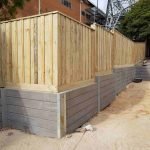
A retaining wall is a structure developed to hold back soil and prevent disintegration. These walls are especially important in locations with high slopes or irregular terrain. They come in numerous materials such as timber sleeper, concrete sleeper, and even H beam options.
Types of Retaining Walls
Gravity Walls: These count on their weight to withstand lateral pressure from the soil. Cantilevered Walls: Utilizes leverage and are usually made from strengthened concrete. Counterfort Walls: Similar to cantilevered walls but consist of additional supports for boosted stability. Sheet Pile Walls: Made from steel, vinyl, or wood, these are driven into the ground to keep back soil. Anchored Walls: Secured with cable televisions anchored in the earth behind them.Why Work with Professional Specialists for Maintaining Walls?
Engaging a professional retaining wall specialist brings many advantages that DIY efforts merely can't match.
Expertise and Experience
Professionals possess the essential experience and training to carry out complicated jobs efficiently. They understand local building regulations and can make sure compliance with regulations.
Quality Materials
Using top quality materials is crucial for resilience. Specialists often have access to superior materials like enhanced concrete or dealt with timber sleepers that stand the test of time.
Design Skills
A professional specialist can assist you design a retaining wall that complements your landscape while satisfying its functional purpose.
The Dangers of DIY Retaining Wall Projects
While some house owners may think about handling this project themselves, several threats are associated with DIY retaining walls.
Structural Failures
Improperly built walls can lead to catastrophic failures, resulting in damage not just to your home but also possibly impacting neighboring properties.
Regulatory Issues
Building codes exist for a factor, and lack of knowledge can lead to fines or forced elimination of non-compliant structures.
Increased Expenses Over Time
While DIY may seem cheaper upfront, mistakes can cause greater costs down the line when repair work are necessary.
Key Aspects When Choosing a Contractor
When employing a specialist for your retaining wall task, keep several factors in mind:
Experience in the Field
Look for specialists who concentrate on landscaping or structural engineering involving maintaining walls.
Portfolio of Previous Work
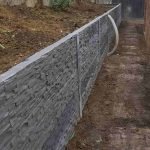
Review their previous tasks. A solid portfolio showcasing numerous types of keeping walls speaks volumes about their expertise.
The Process of Hiring a Professional Retaining Wall Contractor
Understanding the hiring process can alleviate any apprehensions you might have about engaging professional services.
Step 1: Research Potential Contractors
Start by gathering suggestions from buddies or searching online https://blogfreely.net/moriandytp/why-hire-an-expert-retaining-wall-builder-in-melbourne reviews.
Step 2: Request for Quotes
Get a minimum of three estimates-- this allows you to compare costs and services provided by different contractors.
Step 3: Confirm Credentials
Ensure that your selected contractor is licensed and insured, securing yourself from possible liabilities.
Cost Factors to consider for Keeping Walls
Understanding how costs are determined can assist you budget successfully for your project.
Material Costs
- Timber Sleepers Concrete Sleepers H Beam Options
|Product Type|Approximated Cost per Square Foot|| ---------------------|--------------------------------|| Timber Sleeper|$10 - $20|| Concrete Sleeper|$15 - $30|| H Beam|$20 - $40|
Designing Your Suitable Retaining Wall
The style phase is essential; it makes sure both functionality and looks line up perfectly.
Choosing Products Wisely
Each product offers special advantages; choose based upon ecological conditions and desired appearance-- lumber has rustic beauty while concrete provides modern elegance.
Landscape Integration
Consider how your wall will suit existing landscaping features such as gardens, outdoor patios, or walkways.
Common Mistakes When Building Retaining Walls
Even seasoned experts can slip up; understanding typical errors helps mitigate threats throughout building:
Not accounting for drainage Skipping correct compaction Ignoring local regulationsMaintenance of Keeping Walls
Proper upkeep extends your wall's lifespan significantly:
- Inspect frequently for fractures or shifts. Ensure drainage systems stay clear. Address plant life growth right away as roots may weaken integrity.
FAQs About Working with Professional Retaining Wall Contractors
1. What need to I try to find when working with a contractor?
Look for experience, favorable evaluations, correct licensing, and examples of past work associated particularly to maintaining walls.
2. Just how much does it cost to develop a maintaining wall?
Costs vary depending upon materials utilized (timber sleepers vs concrete sleepers) however typically variety from $10-$40 per square foot.
3. Can I construct my own maintaining wall?
While it's possible, it's risky without proper knowledge of structural integrity and local building regulations; employing professionals is much safer and more efficient.
4. What products do you recommend?
Timber sleepers use a natural appearance but need more maintenance; concrete sleepers supply toughness but may do not have aesthetic charm without finishing touches like landscaping integration.
5. How long does it take to develop a keeping wall?
Typically between one week and one month depending on size complexity and weather; talk to your contractor for particular timelines related to your project.
6. Will I require permits?
Most municipalities require licenses for brand-new buildings like keeping walls-- constantly inspect regional policies before starting any project!
Conclusion
In conclusion, understanding why employing a professional retaining wall contractor matters can not be emphasized enough! The mix of expertise, quality materials such as timber sleeper or concrete sleeper choices, precaution against possible failures, and compliance with guidelines all contribute substantially to effective projects. So whether you're taking a look at an H beam service or checking out visual options that boost your residential or commercial property's total appeal-- turning to experts makes sure peace of mind along the way!
With this detailed guide at hand, you're now equipped with all the details needed to make educated decisions about hiring professional specialists for your next retaining wall project!